


ผลิตภัณฑ์ทั้งหมด
-
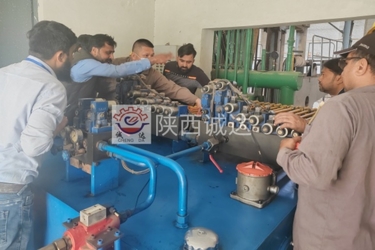 ซายด รัชิด อาห์เมด บัทบริษัท เชียงรายเชิงดา อุตสาหกรรมเตาอบ จํากัด จบการใช้งานเตาอบวงจรไฟฟ้า คนงานร่วมมืออย่างละเอียดกับช่างเชิงดา เพื่อเรียนรู้และใช้อุปกรณ์แสดงถึงมิตรภาพที่ลึกซึ้งและความร่วมมือที่ดีเยี่ยมระหว่างประชาชนจีนและปากีสถาน.
 -
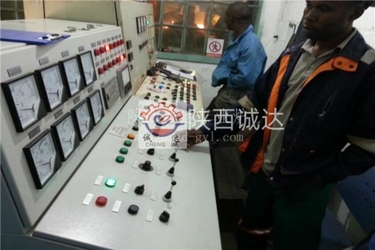 อาบูบาคาร์หลังการผลิตและแก้ไขความผิดพลาดอย่างหนักกว่า 1 เดือน2 ชุดอุปกรณ์ห้องเก็บก๊าซสูบแลกเปลี่ยนความร้อน ได้เข้าใช้งานสําเร็จ ~ พนักงานทั้งหมดที่เกี่ยวข้องกับโครงการได้ทํางานหนัก~
 -
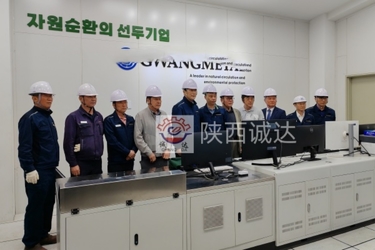 จีฮวานขอแสดงความยินดีอย่างอบอุ่น บริษัทผลิตเตาอุตสาหกรรมเชียงราย ในเกาหลีใต้จังหวัดเชียงรายเหนือ อุปกรณ์ติดตั้งและผลิตอย่างรอบคอบและใช้งานอย่างเข้มงวดมองไปข้างหน้าในอนาคตในสาขาอื่น ๆ เพื่อบรรลุความร่วมมือที่สร้างประโยชน์ต่อกันและกัน
ชื่อผู้ติดต่อ :
Du
หมายเลขโทรศัพท์ :
13991381852
หม้อไฟฟ้าไฟฟ้าไฟฟ้าไฟฟ้าไฟฟ้าไฟฟ้าไฟฟ้าไฟฟ้าไฟฟ้าไฟฟ้า

| สถานที่กำเนิด | จีน |
|---|---|
| ชื่อแบรนด์ | Shaanxi Chengda |
| ได้รับการรับรอง | ISO 9001 |
| หมายเลขรุ่น | เจรจาตามความสามารถในการประมวลผลอุปกรณ์ |
| จำนวนสั่งซื้อขั้นต่ำ | 1 ยูนิต |
| ราคา | The price will be negotiated based on the technical requirements and supply scope of Party A |
| รายละเอียดการบรรจุ | หารือตามข้อกำหนดเฉพาะของฝ่ายก |
| เวลาการส่งมอบ | 2-3 เดือน |
| เงื่อนไขการชำระเงิน | L/C,T/T,เวสเทิร์นยูเนี่ยน |
| สามารถในการผลิต | ซัพพลายเชนการผลิตที่สมบูรณ์อุปทานตรงเวลาและเป็นไปตามมาตรฐานคุณภาพ |
รายละเอียดสินค้า
| เน้น | หม้อแกงบานแบบจมน้ําขนาดใหญ่ DC,เครื่องทําเหล็ก 4 อิเล็กทรอนด์,เตาอบอาร์คดําน้ํา พร้อมสิทธิบัตร |
||
|---|---|---|---|
รายละเอียดสินค้า
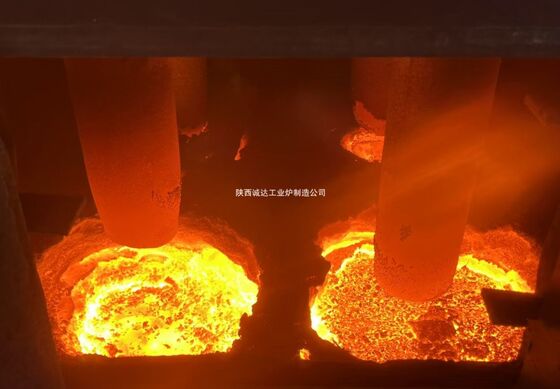
เตาหลอมส่วนโค้งจม DC ขนาดใหญ่แบบสี่ขั้ว
เตาหลอมส่วนโค้งจม DC ขนาดใหญ่แบบสี่ขั้วเป็นอุปกรณ์โลหะวิทยาสำหรับงานหนัก ซึ่งส่วนใหญ่ใช้สำหรับการลดและหลอมแร่เพื่อผลิตเฟอร์โรอัลลอย, ซิลิคอนอุตสาหกรรม, แคลเซียมคาร์ไบด์ ฯลฯ มีคุณสมบัติเด่นคือมีขั้วไฟฟ้าสี่ขั้วที่ด้านบนจัดเรียงเป็นรูปสี่เหลี่ยมผืนผ้า, ขั้วบวกก้นเตาแบบนำไฟฟ้า และแหล่งจ่ายไฟแบบเรียงกระแสไทริสเตอร์กำลังสูง ทำให้ได้ส่วนโค้งที่เสถียร, ความร้อนสม่ำเสมอ, การใช้พลังงานต่ำ และการหลอมที่มีประสิทธิภาพสูง ด้านล่างนี้คือภาพรวมโดยละเอียด:
1. โครงสร้างพื้นฐานและหลักการทำงาน
ส่วนประกอบหลัก
- ระบบขั้วไฟฟ้า: ขั้วไฟฟ้ากราไฟต์หรือขั้วไฟฟ้าอบเองสี่ขั้วที่เสียบในแนวตั้ง จัดเรียงเป็นรูปสี่เหลี่ยมผืนผ้า (รูปแบบสี่เหลี่ยมทั่วไป) โดยมีเส้นผ่านศูนย์กลางตั้งแต่ 800 - 1200 มม. สำหรับเตาขนาดใหญ่
- ระบบจ่ายไฟ: ประกอบด้วยหม้อแปลงเรียงกระแส, ตู้เรียงกระแสไทริสเตอร์, รีแอคเตอร์ DC และโครงข่ายสั้น แปลงไฟ AC เป็นไฟ DC เพื่อจ่ายให้กับขั้วไฟฟ้า และรีแอคเตอร์ DC จะช่วยลดไฟกระชากและทำให้ส่วนโค้งคงที่
- ตัวเตา: ประกอบด้วยเปลือกเหล็ก, ซับในทนไฟ (อิฐอะลูมินาสูง + มวลอัดคาร์บอน) และก้นเตานำไฟฟ้า (ขั้วบวกอิฐกราไฟต์ - คาร์บอน + ชั้นนำไฟฟ้าทองแดง) ซึ่งสามารถทนต่ออุณหภูมิสูง 1800 - 2200℃ และการนำไฟฟ้าที่แข็งแกร่ง
- ระบบเสริม: ครอบคลุมระบบน้ำหล่อเย็น, ระบบกำจัดฝุ่น, ระบบป้อนอัตโนมัติ และระบบควบคุม PLC สำหรับการตรวจสอบและปรับพารามิเตอร์การหลอมในเวลาจริง
หลักการทำงาน
กระแส DC ไหลจากขั้วไฟฟ้าด้านบนผ่านส่วนโค้งจมและประจุไปยังขั้วบวกก้นเตานำไฟฟ้า ก่อตัวเป็นวงจรหลักที่เสถียร ในขณะเดียวกัน วงจรทุติยภูมิจะเกิดขึ้นผ่านวัสดุคาร์บอนของก้นเตาและผนัง เพื่อให้เกิดความสมดุลทางไฟฟ้า ส่วนโค้ง DC ที่เสถียรจะสร้างผลกระทบจากการกวนด้วยแม่เหล็กไฟฟ้าที่แข็งแกร่ง ทำให้การกระจายอุณหภูมิในบ่อหลอมละลายสม่ำเสมอ และเร่งปฏิกิริยาลดลง
2. พารามิเตอร์ทางเทคนิคที่สำคัญ (รุ่นขนาดใหญ่ทั่วไป: 40 - 63MVA)
| ดัชนีพารามิเตอร์ | ช่วงข้อมูลจำเพาะ |
|---|---|
| กำลังไฟพิกัด | เหล็กหลอมเหลว 30 - 120 ตันต่อชุด (สำหรับการหลอมเฟอร์โรอัลลอย) |
| กำลังไฟพิกัด | 40 - 63MVA |
| แรงดันไฟฟ้าขาเข้า DC | 800 - 1200V |
| กระแสไฟพิกัดรวม | 30 - 60kA (7.5 - 15kA ต่อขั้วไฟฟ้า) |
| เส้นผ่านศูนย์กลางขั้วไฟฟ้า | 800 - 1200 มม. |
| การใช้ขั้วไฟฟ้า | 0.6 - 1.0 กก./ตัน (ต่ำกว่าเตา AC 30% - 50%) |
| การใช้พลังงาน | 3800 - 4800kWh/ตัน (สำหรับซิลิคอนอุตสาหกรรม; ต่ำกว่าเตา AC 5% - 12%) |
| อุณหภูมิการหลอม | 1800 - 2200℃ |
| การไหลของน้ำหล่อเย็น | 200 - 500m³/ชม.; แรงดันน้ำ: 0.4 - 0.6MPa |
| ประสิทธิภาพการกำจัดฝุ่น | ≥99.5%; ความเข้มข้นของการปล่อย: ≤10mg/m³ |
| ความเข้มข้นของการกวนด้วยแม่เหล็กไฟฟ้า | 0.8 - 1.2T (ความเข้มของการเหนี่ยวนำแม่เหล็ก) |
3. ข้อได้เปรียบหลักเมื่อเทียบกับเตาแบบดั้งเดิม
| ข้อได้เปรียบ | คำอธิบาย |
|---|---|
| ส่วนโค้งที่เสถียรและความร้อนสม่ำเสมอ | ไม่มีการกะพริบของส่วนโค้ง การกวนด้วยแม่เหล็กไฟฟ้าช่วยขจัดจุดร้อน ลดการกัดกร่อนของซับในลง 20% - 30% และยืดอายุการใช้งาน |
| การใช้พลังงานและขั้วไฟฟ้าต่ำ | การใช้พลังงานต่ำกว่าเตาหลอมส่วนโค้งจม AC แบบสามขั้ว 5% - 12% และการใช้ขั้วไฟฟ้าน้อยลง 30% - 50% เนื่องจากการเผาไหม้ของส่วนโค้งที่เสถียร |
| ประสิทธิภาพที่เป็นมิตรกับกริด | ความผันผวนของกำลังไฟรีแอกทีฟขนาดเล็กและไม่มีการดับส่วนโค้งข้ามศูนย์ รีแอคเตอร์ DC จะช่วยลดกระแสไฟกระชาก ซึ่งเหมาะสำหรับพื้นที่ที่มีกริดไฟฟ้าอ่อนแอ |
| คุณภาพการหลอมสูง | สนามอุณหภูมิที่สม่ำเสมอช่วยให้อัตราการกู้คืนองค์ประกอบโลหะผสม (Ni, Cr, Si) ถึง ≥96% และองค์ประกอบของผลิตภัณฑ์มีความเสถียร |
| ความสามารถในการปรับขนาดที่แข็งแกร่ง | รูปแบบสี่ขั้วช่วยให้สามารถขยายกำลังไฟได้อย่างยืดหยุ่น และกำลังไฟของเตาเดียวสูงสุดสามารถเข้าถึง 100MVA |
4. สถานการณ์การใช้งาน
- การผลิตเฟอร์โรอัลลอย: ใช้สำหรับการหลอมเฟอร์โครเมียมคาร์บอนสูง, เฟอร์โรซิลิคอน, ซิลิโคมังกาเนส และเฟอร์โรทังสเตน ซึ่งเหมาะสำหรับความต้องการในการผลิตขนาดใหญ่และมีคุณภาพสูง
- การหลอมซิลิคอนอุตสาหกรรม: สามารถจัดการกับซิลิกาที่มีความบริสุทธิ์สูง โดยมีความบริสุทธิ์ของซิลิคอนสูงถึง 99.5% - 99.9% และอัตราการหลอมสูง
- การผลิตแคลเซียมคาร์ไบด์: สภาพแวดล้อมที่มีอุณหภูมิสูงที่เสถียรช่วยให้มีปริมาณแคลเซียมคาร์ไบด์ ≥80% และลดการใช้พลังงานลง 8% - 10% เมื่อเทียบกับเตา AC
- การกู้คืนโลหะหายาก: ใช้ได้กับการลดและหลอมแร่นิกเกิล - โคบอลต์และแร่แทนทาลัม - ไนโอเบียม โดยมีความสามารถในการปรับตัวได้ดีกับวัตถุดิบที่ซับซ้อน
5. การกำหนดค่าทั่วไปและหมายเหตุการใช้งาน
การกำหนดค่า
- รูปแบบขั้วไฟฟ้า: รูปแบบสี่เหลี่ยมที่มีระยะห่างระหว่างจุดศูนย์กลางของขั้วไฟฟ้า 2.5 - 4.0 ม. เพื่อให้แน่ใจว่ามีการกระจายกระแสไฟสม่ำเสมอ
- การควบคุมแหล่งจ่ายไฟ: ใช้การทำงานแบบขนานของตู้เรียงกระแสคู่ (20 - 30MVA ต่อตู้) เพื่อให้สามารถปรับกระแสไฟฟ้าสำหรับแต่ละขั้วไฟฟ้าได้อย่างอิสระและการควบคุมความยาวส่วนโค้งอัตโนมัติ
- ก้นเตานำไฟฟ้า: การออกแบบขั้วบวกแบบขนานหลายโซนช่วยลดความหนาแน่นของกระแสไฟฟ้าและยืดอายุการใช้งานของก้นเตาลง 50%
หมายเหตุการใช้งาน
- ควบคุมความลึกในการใส่ขั้วไฟฟ้าอย่างเคร่งครัด (1.2 - 1.8 ม.) เพื่อป้องกันการสัมผัสส่วนโค้งและการสูญเสียพลังงาน
- รักษาสภาพน้ำของระบบหล่อเย็น (การนำไฟฟ้า ≤50μS/ซม.) เพื่อหลีกเลี่ยงการไหม้ของขั้วไฟฟ้าและตัวเตา
- ใช้ระบบตะกรันที่มีความเป็นด่างสูง (ความเป็นด่าง R = 1.8 - 2.2) เพื่อปรับปรุงอัตราการกำจัดกำมะถัน (≥85%) และอัตราการกู้คืนโลหะผสม
6. การเปรียบเทียบกับเตาหลอมส่วนโค้งจม AC แบบสามขั้ว
| คุณสมบัติ | เตาหลอมส่วนโค้งจม DC ขนาดใหญ่แบบสี่ขั้ว | เตาหลอมส่วนโค้งจม AC แบบสามขั้ว |
|---|---|---|
| ความเสถียรของส่วนโค้ง | สูง (ไม่มีการดับข้ามศูนย์) | ต่ำ (ส่วนโค้งกะพริบ, เสียงดัง ≥105dB) |
| การใช้พลังงาน | 3800 - 4800kWh/ตัน | 4200 - 5200kWh/ตัน |
| การใช้ขั้วไฟฟ้า | 0.6 - 1.0 กก./ตัน | 1.2 - 2.0 กก./ตัน |
| อายุการใช้งานของซับใน | 2 - 3 ปี | 1.2 - 1.8 ปี |
| ผลกระทบต่อกริด | เล็ก (กำลังไฟรีแอกทีฟต่ำและความผันผวนของแรงดันไฟฟ้า) | ใหญ่ (ต้องมีการชดเชยกำลังไฟรีแอกทีฟ) |
| ค่าใช้จ่ายในการปรับปรุง | ปานกลาง (ต้องใช้ก้นเตานำไฟฟ้า) | ต่ำ |
7. แนวโน้มการพัฒนา
- การรวมพลังงานสูงพิเศษ: กำลังไฟพิกัดของเตาเดียวสามารถเข้าถึง 80 - 120MVA โดยมีโครงสร้างขั้วไฟฟ้าสี่ขั้ว + ขั้วบวกหลายก้นเพื่อปรับปรุงความหนาแน่นของพลังงาน
- การควบคุมอัจฉริยะ: ระบบที่ใช้ AI สามารถปรับตำแหน่งขั้วไฟฟ้า, กระแสไฟฟ้า และความเร็วในการป้อนโดยอัตโนมัติ ลดรอบการหลอมลง 10% - 15%
- การอัปเกรดการประหยัดพลังงานและการปกป้องสิ่งแวดล้อม: รวมการผลิตพลังงานความร้อนเหลือทิ้งและการหลอมที่อุดมด้วยออกซิเจนเพื่อลดการใช้พลังงานลง 15% - 20% และใช้ระบบการเผาไหม้แบบ NOₓ ต่ำเพื่อให้เป็นไปตามมาตรฐานการปล่อยมลพิษที่เข้มงวด
แนะนำผลิตภัณฑ์
