


ผลิตภัณฑ์ทั้งหมด
-
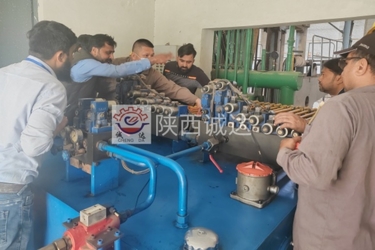 ซายด รัชิด อาห์เมด บัทบริษัท เชียงรายเชิงดา อุตสาหกรรมเตาอบ จํากัด จบการใช้งานเตาอบวงจรไฟฟ้า คนงานร่วมมืออย่างละเอียดกับช่างเชิงดา เพื่อเรียนรู้และใช้อุปกรณ์แสดงถึงมิตรภาพที่ลึกซึ้งและความร่วมมือที่ดีเยี่ยมระหว่างประชาชนจีนและปากีสถาน.
 -
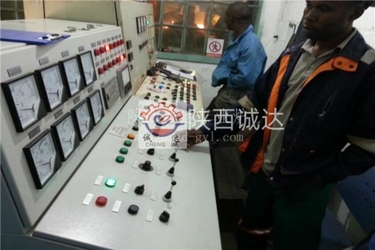 อาบูบาคาร์หลังการผลิตและแก้ไขความผิดพลาดอย่างหนักกว่า 1 เดือน2 ชุดอุปกรณ์ห้องเก็บก๊าซสูบแลกเปลี่ยนความร้อน ได้เข้าใช้งานสําเร็จ ~ พนักงานทั้งหมดที่เกี่ยวข้องกับโครงการได้ทํางานหนัก~
 -
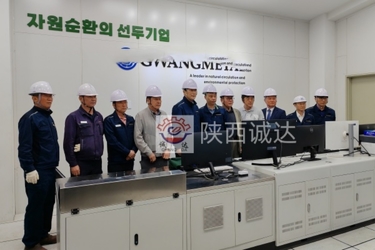 จีฮวานขอแสดงความยินดีอย่างอบอุ่น บริษัทผลิตเตาอุตสาหกรรมเชียงราย ในเกาหลีใต้จังหวัดเชียงรายเหนือ อุปกรณ์ติดตั้งและผลิตอย่างรอบคอบและใช้งานอย่างเข้มงวดมองไปข้างหน้าในอนาคตในสาขาอื่น ๆ เพื่อบรรลุความร่วมมือที่สร้างประโยชน์ต่อกันและกัน
ชื่อผู้ติดต่อ :
Du
หมายเลขโทรศัพท์ :
13991381852
หม้อไฟฟ้าไฟฟ้าไฟฟ้าไฟฟ้าไฟฟ้าไฟฟ้าไฟฟ้าไฟฟ้าไฟฟ้า
| สถานที่กำเนิด | จีน |
|---|---|
| ชื่อแบรนด์ | Shaanxi Chengda |
| ได้รับการรับรอง | ISO 9001 |
| หมายเลขรุ่น | เจรจาตามความสามารถในการประมวลผลอุปกรณ์ |
| จำนวนสั่งซื้อขั้นต่ำ | 1 ยูนิต |
| ราคา | The price will be negotiated based on the technical requirements and supply scope of Party A |
| รายละเอียดการบรรจุ | หารือตามข้อกำหนดเฉพาะของฝ่ายก |
| เวลาการส่งมอบ | 2-3 เดือน |
| เงื่อนไขการชำระเงิน | L/C,T/T,เวสเทิร์นยูเนี่ยน |
| สามารถในการผลิต | ซัพพลายเชนการผลิตที่สมบูรณ์อุปทานตรงเวลาและเป็นไปตามมาตรฐานคุณภาพ |
รายละเอียดสินค้า
| เน้น | เครื่องไฟฟ้าไฟฟ้าไฟฟ้าไฟฟ้าไฟฟ้าไฟฟ้าไฟฟ้า,เตาไฟอาร์คซีซีที่มีสิทธิบัตร,เครื่องทําเหล็ก |
||
|---|---|---|---|
รายละเอียดสินค้า
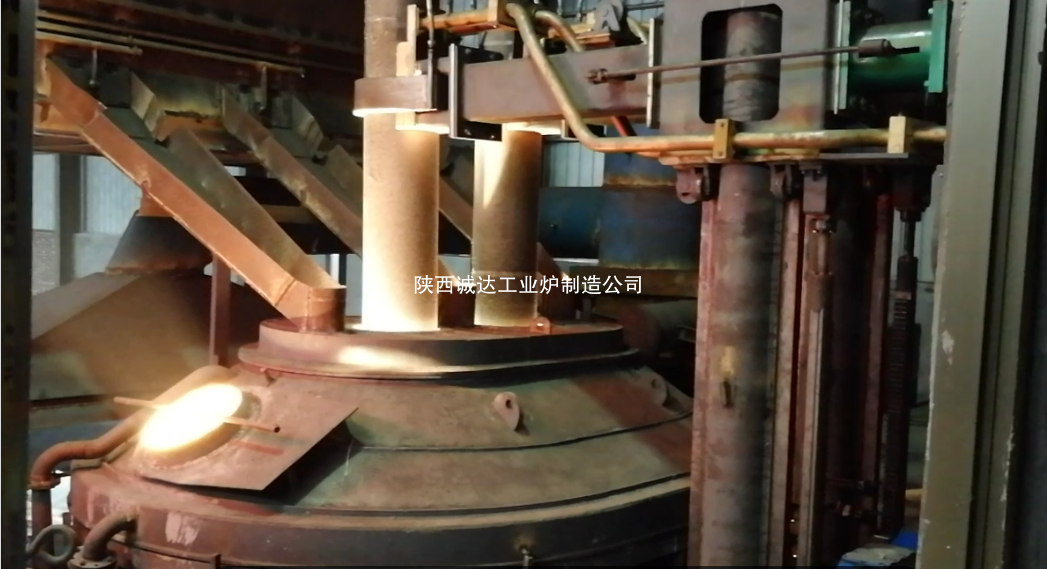
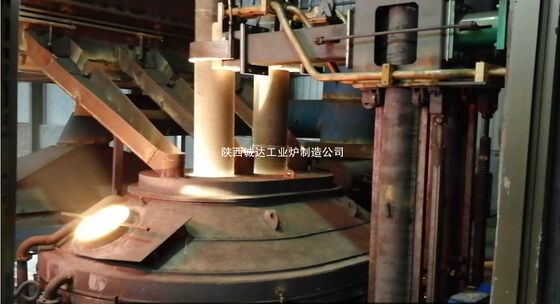
เตาหลอมอาร์คไฟฟ้ากระแสตรงแบบสองขั้วไฟฟ้า (DE-DC EAF) เป็นอุปกรณ์หลอมที่ใช้ขั้วไฟฟ้ากราไฟต์สองขั้ว (ขั้วลบหนึ่งขั้วและขั้วบวกหนึ่งขั้ว) เพื่อสร้างอาร์คไฟฟ้ากระแสตรง โดยมีอาร์คที่เสถียร เสียงรบกวนต่ำ และการสิ้นเปลืองขั้วไฟฟ้าต่ำ เหมาะสำหรับการผลิตเหล็ก การหลอมโลหะที่ไม่ใช่เหล็ก และการรีไซเคิลโลหะ ด้านล่างนี้คือภาพรวมทางเทคนิคและการประยุกต์ใช้งานโดยละเอียด:
โครงสร้างพื้นฐานและหลักการทำงาน
- ส่วนประกอบหลัก: ขั้วไฟฟ้ากราไฟต์สองขั้ว (ขั้วลบ + ขั้วบวก), แหล่งจ่ายไฟ DC (การแก้ไขไทริสเตอร์), ตัวเตา (ฝาครอบ/ผนังเตาหลอมระบายความร้อนด้วยน้ำ, ซับในทนไฟ), กลไกการยกขั้วไฟฟ้า และขั้วบวกด้านล่างเสริม (สำหรับบางการกำหนดค่า)
- หลักการทำงาน: กระแสไฟฟ้า DC ไหลจากขั้วไฟฟ้าบวกผ่านอ่างหลอมเหลวไปยังขั้วไฟฟ้าลบ ทำให้เกิดอาร์คสองอัน (หนึ่งอันระหว่างแต่ละขั้วไฟฟ้ากับอ่างหลอมเหลว) หลีกเลี่ยงการออกแบบที่ซับซ้อนของขั้วบวกด้านล่างของเตาหลอม DC EAF แบบขั้วไฟฟ้าเดียว และง่ายต่อการปรับปรุงจากเตาหลอม AC
- ลักษณะของอาร์ค: อาร์คมีความเสถียรและเข้มข้น โดยมีมุมเบี่ยงเบน 15°–30° ไปยังอ่างหลอมเหลว แรงแม่เหล็กไฟฟ้าทำให้อาร์คหมุนรอบศูนย์กลาง (หลายครั้งต่อวินาที) ทำให้มั่นใจได้ถึงความร้อนที่สม่ำเสมอ
พารามิเตอร์ทางเทคนิคที่สำคัญ (ช่วงทั่วไป)
| พารามิเตอร์ | ห้องปฏิบัติการ/ ขนาดเล็ก (≤5t) | อุตสาหกรรม/ ขนาดกลาง (5–50t) | อุตสาหกรรม/ ขนาดใหญ่ (≥50t) |
|---|---|---|---|
| พิกัดความจุ | 0.5–5t | 5–50t | 50–420t |
| แรงดันไฟฟ้าขาเข้า DC | 300–500V | 500–800V | 800–1200V |
| กระแสไฟฟ้าพิกัด | 1–5kA | 5–20kA | 20–280kA (เช่น เตาหลอม 420t: 280kA ทั้งหมด) |
| กำลังไฟฟ้าพิกัด | 0.5–2MW | 2–10MW | 10–50MW |
| เส้นผ่านศูนย์กลางขั้วไฟฟ้า | 200–400mm | 400–700mm | 700–1200mm |
| เสียงรบกวนจากการหลอม | ≤90dB | 85–88dB (ต่ำกว่า AC EAF 15dB) | 85–90dB |
| การสิ้นเปลืองขั้วไฟฟ้า | ≤1.2kg/t | 0.8–1.0kg/t (ต่ำกว่า AC EAF 50%) | 0.6–0.9kg/t |
| อัตราการหลอม | 2–4℃/นาที | 4–6℃/นาที | 5–8℃/นาที |
| อุณหภูมิการแตะ | 1600–1700℃ | 1650–1800℃ | 1700–1850℃ |
ข้อได้เปรียบหลักเมื่อเทียบกับเตาหลอมแบบดั้งเดิม
- ความเสถียรของอาร์คและความร้อนสม่ำเสมอ: ไม่มีการสั่นไหวของอาร์ค การกวนด้วยแม่เหล็กไฟฟ้าของอ่างหลอมเหลวช่วยขจัดจุดร้อน ลดการกัดกร่อนของซับในลง 20%–30%
- การใช้พลังงานและการสิ้นเปลืองขั้วไฟฟ้าต่ำ: การใช้พลังงานต่ำกว่า AC EAF 5%–10% การสิ้นเปลืองขั้วไฟฟ้าน้อยลง ~50% เมื่อเทียบกับ AC EAF (ระดับ DC EAF แบบขั้วไฟฟ้าเดียว)
- เป็นมิตรกับโครงข่ายไฟฟ้า: ความผันผวนของแรงดันไฟฟ้าและการเปลี่ยนแปลงกำลังไฟฟ้ารีแอกทีฟน้อยลง ตัวเหนี่ยวนำ DC ช่วยลดกระแสไฟกระชาก เหมาะสำหรับพื้นที่ที่มีโครงข่ายไฟฟ้าอ่อนแอ
- การปรับปรุงที่ยืดหยุ่น: ไม่จำเป็นต้องใช้ขั้วบวกด้านล่างที่ซับซ้อน เรือเตาหลอม AC ที่มีอยู่สามารถแปลงเป็น DE-DC EAF ได้ในราคาประหยัด
- เสียงรบกวนต่ำ: เสียงรบกวนจากการหลอม ~87dB (ต่ำกว่า AC EAF 15dB) โดยมีส่วนประกอบความถี่สูงเป็นหลักที่แยกได้ง่าย
สถานการณ์การใช้งาน
- การหลอมเหล็กพิเศษ: เหล็กแบริ่ง เหล็กกล้าไร้สนิมคาร์บอนต่ำ เหล็กทนความร้อน อัตราการกู้คืนโลหะผสมสูง (≥96% สำหรับ Ni/Cr/Mo)
- โลหะวิทยาที่ไม่ใช่เหล็ก: การหลอมแมกนีเซียม (เตาหลอมอาร์คจม DC), การหลอมโลหะผสมทองแดง/นิกเกิล การทำงานที่เสถียรและเม็ดคริสตัลขนาดใหญ่
- การรีไซเคิลโลหะ: เศษเหล็ก การหลอมของเสีย และการกู้คืนโลหะหายาก การปรับตัวที่แข็งแกร่งกับวัตถุดิบ
- การแปรรูปโลหะทนไฟ: การหลอมโลหะผสมทังสเตน/โมลิบดีนัม (พร้อมการให้ความร้อนด้วยพลาสมาเสริม)
การกำหนดค่าทั่วไปและหมายเหตุการใช้งาน
- การกำหนดค่าขั้วไฟฟ้า: ขั้วไฟฟ้าด้านบนสองขั้ว (ขั้วลบ + ขั้วบวก) เป็นมาตรฐาน เตาหลอมขนาดใหญ่บางเตาหลอมเพิ่มขั้วบวกด้านล่างระบายความร้อนด้วยน้ำ 2–4 ขั้วเพื่อปรับสมดุลการกระจายกระแสไฟฟ้า
- ระบบจ่ายไฟ: ตัวแก้ไขไทริสเตอร์ + ตัวเหนี่ยวนำ DC ความยาวอาร์คจะถูกปรับโดยอัตโนมัติโดยกลไกการยกขั้วไฟฟ้าเพื่อรักษาเสถียรภาพของกำลังไฟฟ้าขาเข้า
- ระบบระบายความร้อน: อัตราการไหลของน้ำทั้งหมด 10–500m³/ชม. แรงดันน้ำ 0.3–0.6MPa และการนำไฟฟ้า ≤50μS/cm เพื่อป้องกันความร้อนสูงเกินไปของขั้วไฟฟ้า
- การควบคุมบรรยากาศ: การปิดผนึกอาร์กอน/ไนโตรเจนเสริมเพื่อลดการเกิดออกซิเดชันและปรับปรุงการกู้คืนโลหะผสม
การเปรียบเทียบกับเตาหลอมประเภทอื่นๆ
| คุณสมบัติ | เตาหลอม DC EAF แบบสองขั้วไฟฟ้า | เตาหลอม DC EAF แบบขั้วไฟฟ้าเดียว | เตาหลอม AC EAF สามเฟส |
|---|---|---|---|
| การจัดเรียงขั้วไฟฟ้า | ขั้วไฟฟ้าด้านบนสองขั้ว (ขั้วลบ + ขั้วบวก) | ขั้วลบด้านบนหนึ่งขั้ว + ขั้วบวกด้านล่าง | ขั้วไฟฟ้าด้านบนสามขั้ว |
| ขั้วบวกด้านล่าง | เสริม (การออกแบบที่ง่ายกว่า) | จำเป็น (การออกแบบที่ซับซ้อน) | ไม่จำเป็น |
| ความเสถียรของอาร์ค | สูง | สูง | ต่ำ (การสั่นไหว) |
| การสิ้นเปลืองขั้วไฟฟ้า | ต่ำ (~0.8–1.0kg/t) | ต่ำ | สูง (~2.0–3.0kg/t) |
| ค่าใช้จ่ายในการปรับปรุง | ต่ำ (จากเตาหลอม AC) | สูง | ไม่มี |
| ระดับเสียงรบกวน | ต่ำ (85–88dB) | ต่ำ | สูง (100–110dB) |
แนวโน้มการพัฒนา
- กำลังไฟสูงพิเศษ: เตาหลอมขนาดใหญ่ (เช่น 420t) ใช้การกำหนดค่าขั้วลบสองขั้ว + ขั้วบวกด้านล่างหลายขั้วเพื่อปรับปรุงความหนาแน่นของกำลังไฟฟ้า
- เทคโนโลยีประหยัดพลังงาน: รวมกับการเผาไหม้ด้วยออกซิเจนและ การนำความร้อนเหลือทิ้งกลับมาใช้ใหม่ การใช้พลังงานลดลง 10%–15%
- การควบคุมอัจฉริยะ: ระบบควบคุมความยาวอาร์คและอุณหภูมิที่ใช้ AI เพื่อเพิ่มประสิทธิภาพรอบการหลอม
- การรักษาสิ่งแวดล้อม: การกำจัดฝุ่นที่มีประสิทธิภาพสูง (ความเข้มข้นของการปล่อย ≤10mg/m³) และการทำงานแบบ low-NOₓ
สรุป
เตาหลอมอาร์คไฟฟ้ากระแสตรงแบบสองขั้วไฟฟ้าสร้างสมดุลระหว่างประสิทธิภาพ ต้นทุน และความยืดหยุ่น ทำให้เหมาะสำหรับทั้งโรงงานใหม่และการปรับปรุง AC เป็น DC พวกเขาใช้กันอย่างแพร่หลายในการผลิตเหล็กคุณภาพสูง การหลอมโลหะที่ไม่ใช่เหล็ก และการรีไซเคิลโลหะ โดยมีข้อได้เปรียบที่สำคัญในการประหยัดพลังงาน การรักษาสิ่งแวดล้อม และความเสถียรในการดำเนินงาน
แนะนำผลิตภัณฑ์
